



Cryotherapy & Wart Excision Procedures
Targeted procedures to clear stubborn plantar warts when home treatments have failed.
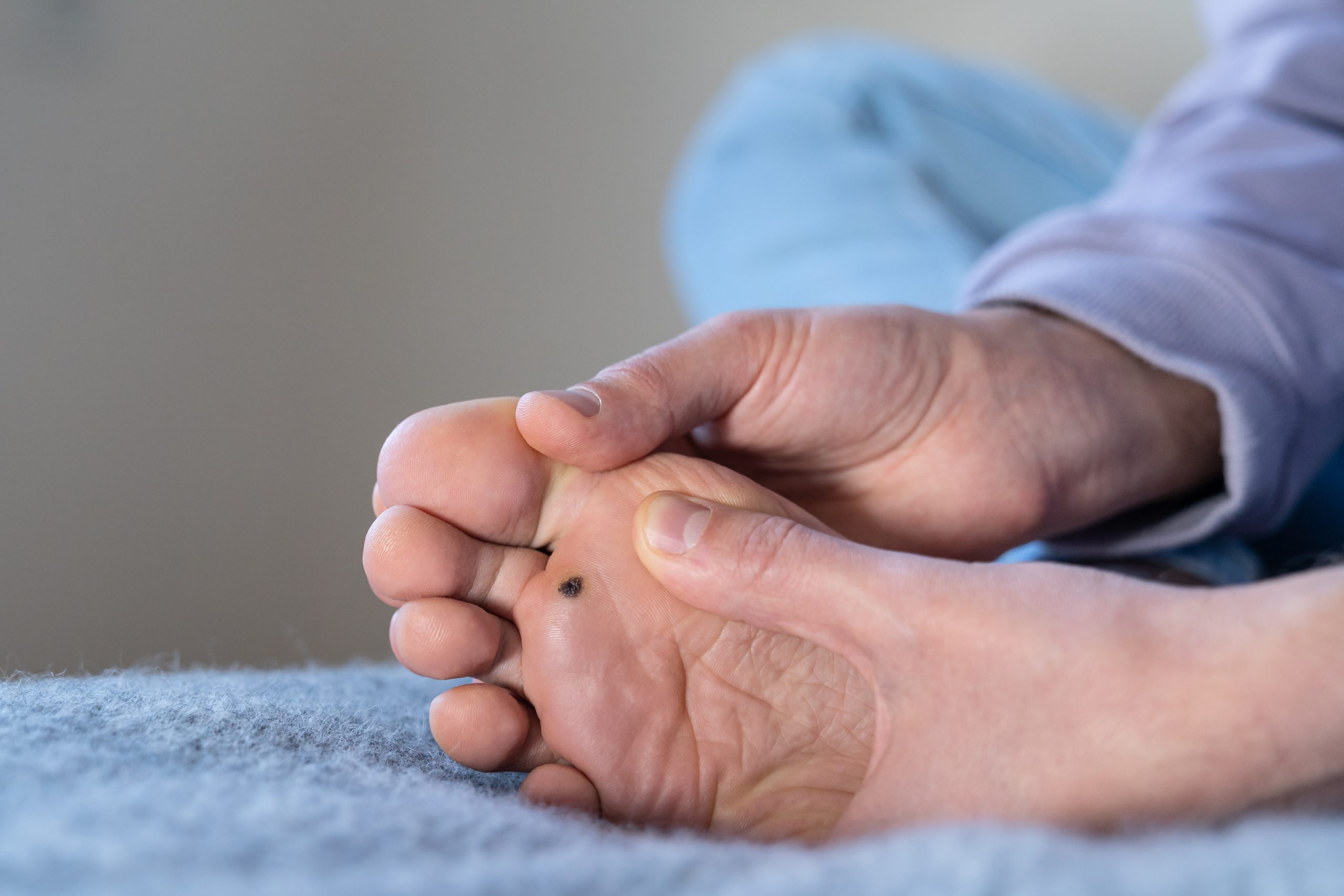
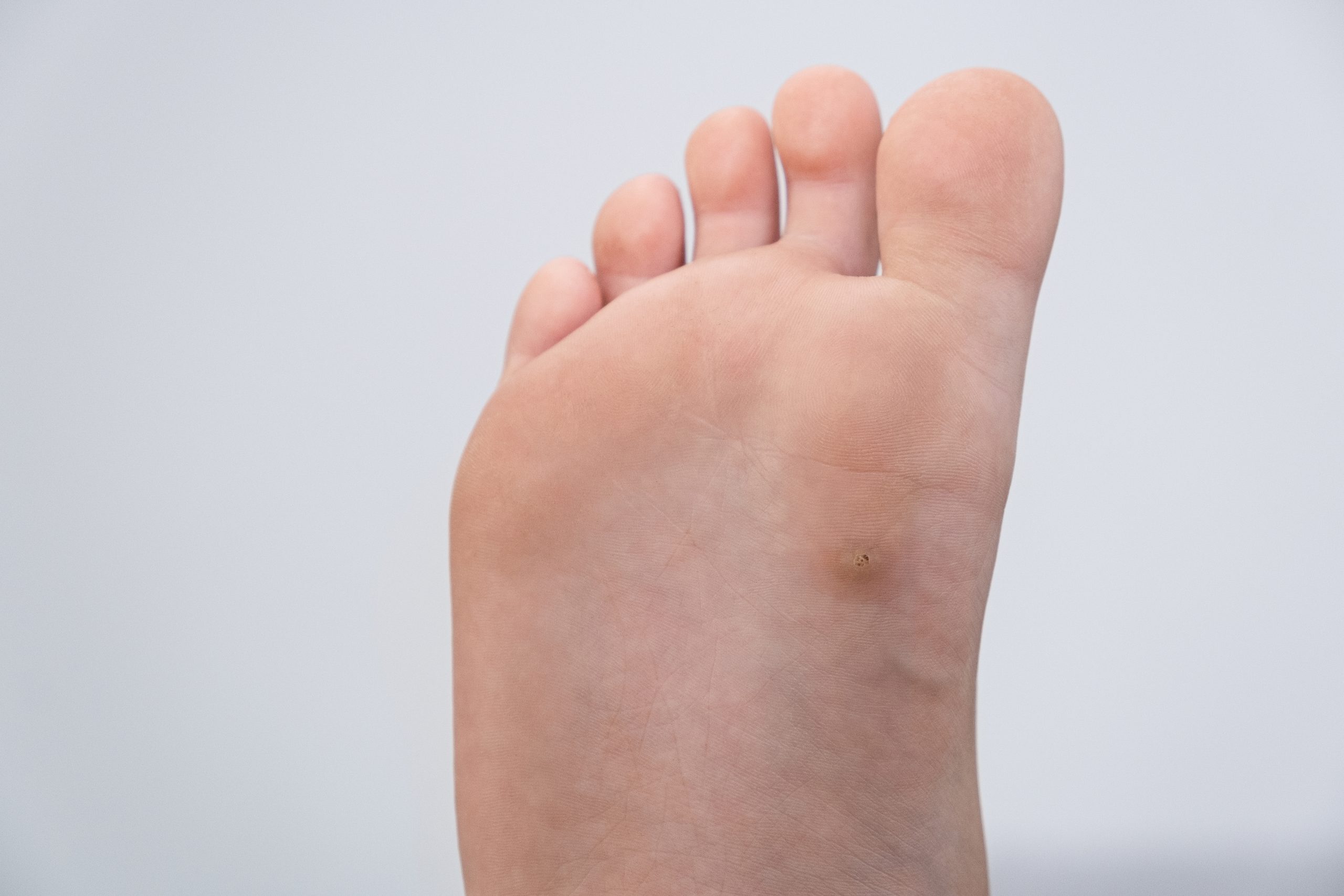
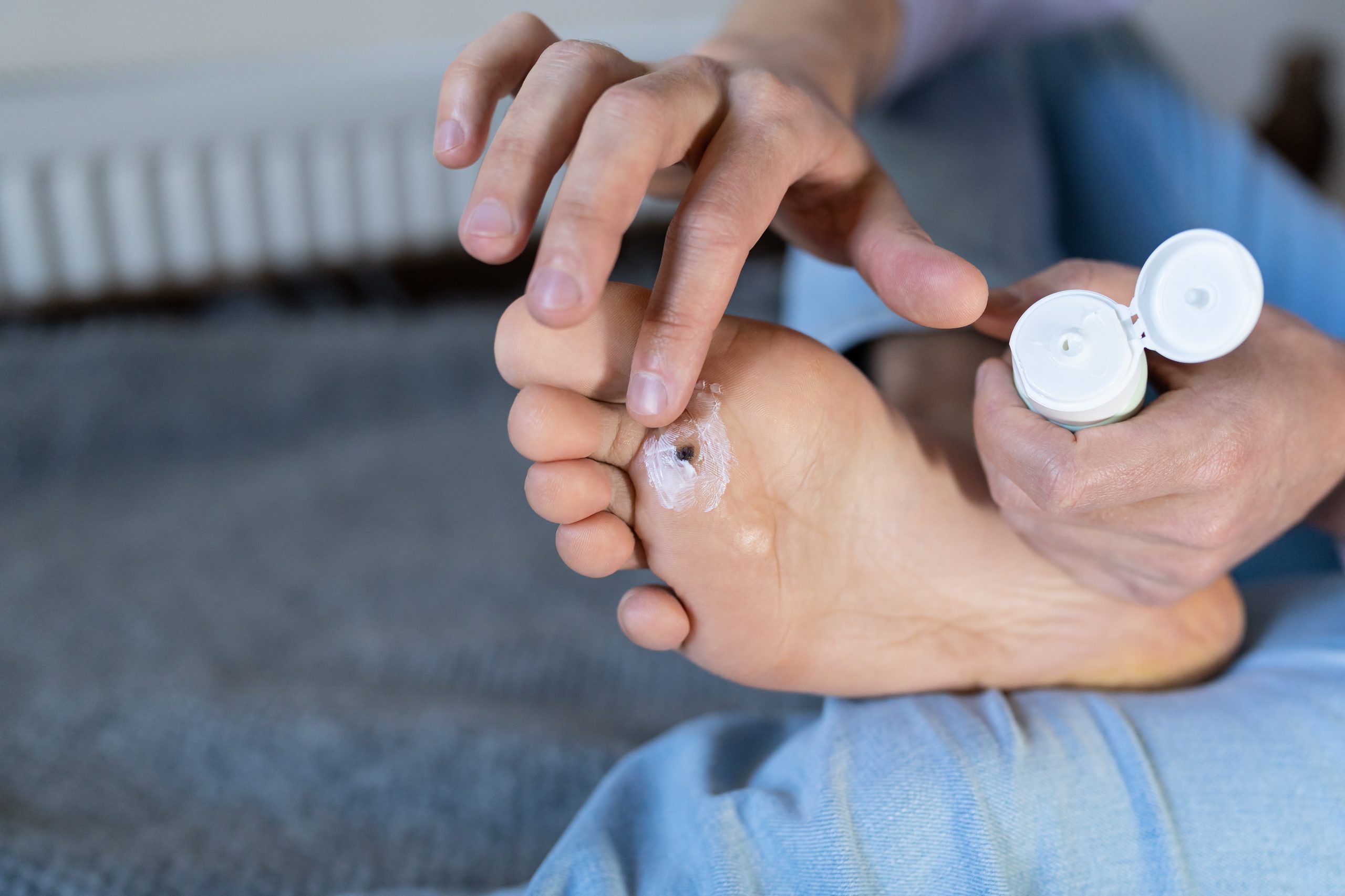
Plantar warts are caused by the human papillomavirus (HPV) and can be remarkably persistent. Over-the-counter salicylic acid kits and home freeze sprays often reduce the surface bulk but fail to clear the viral tissue beneath the skin, leading to recurrence.
Two in-clinic procedures address this directly:
The right choice depends on the wart’s size, location, depth, and your prior treatment history. Both are performed in clinic with minimal downtime.
Warts causing pressure pain when walking
Clusters of small warts grouped together
Warts returning after home treatment
Warts unresponsive to salicylic acid
Diabetic or immunocompromised individuals needing professional care
Patients often ask which treatment is best. The answer depends on the wart, not a personal preference.
How it works
Controlled freezing destroys wart tissue
Surgical removal under local anaesthetic
Sessions needed
3 to 6, spaced 2 weeks apart
Usually a single visit, with several follow-up wound reviews
Discomfort level
Brief stinging during freezing
Numb during procedure; mild post-procedure soreness
Recovery time
Walk immediately; mild blistering for a few days
A few days of reduced walking; dressing changes
Scarring risk
Very low
Very low
Best for
Small to medium warts, multiple lesions, children
Large, deep, or resistant warts that have failed cryotherapy
Where appropriate, cryotherapy is tried first because it is less invasive. Excision is reserved for warts that prove resistant or are too deep for freezing to penetrate effectively.
Patients often ask which treatment is best. The answer depends on the wart, not a personal preference.
Where appropriate, cryotherapy is tried first because it is less invasive. Excision is reserved for warts that prove resistant or are too deep for freezing to penetrate effectively.
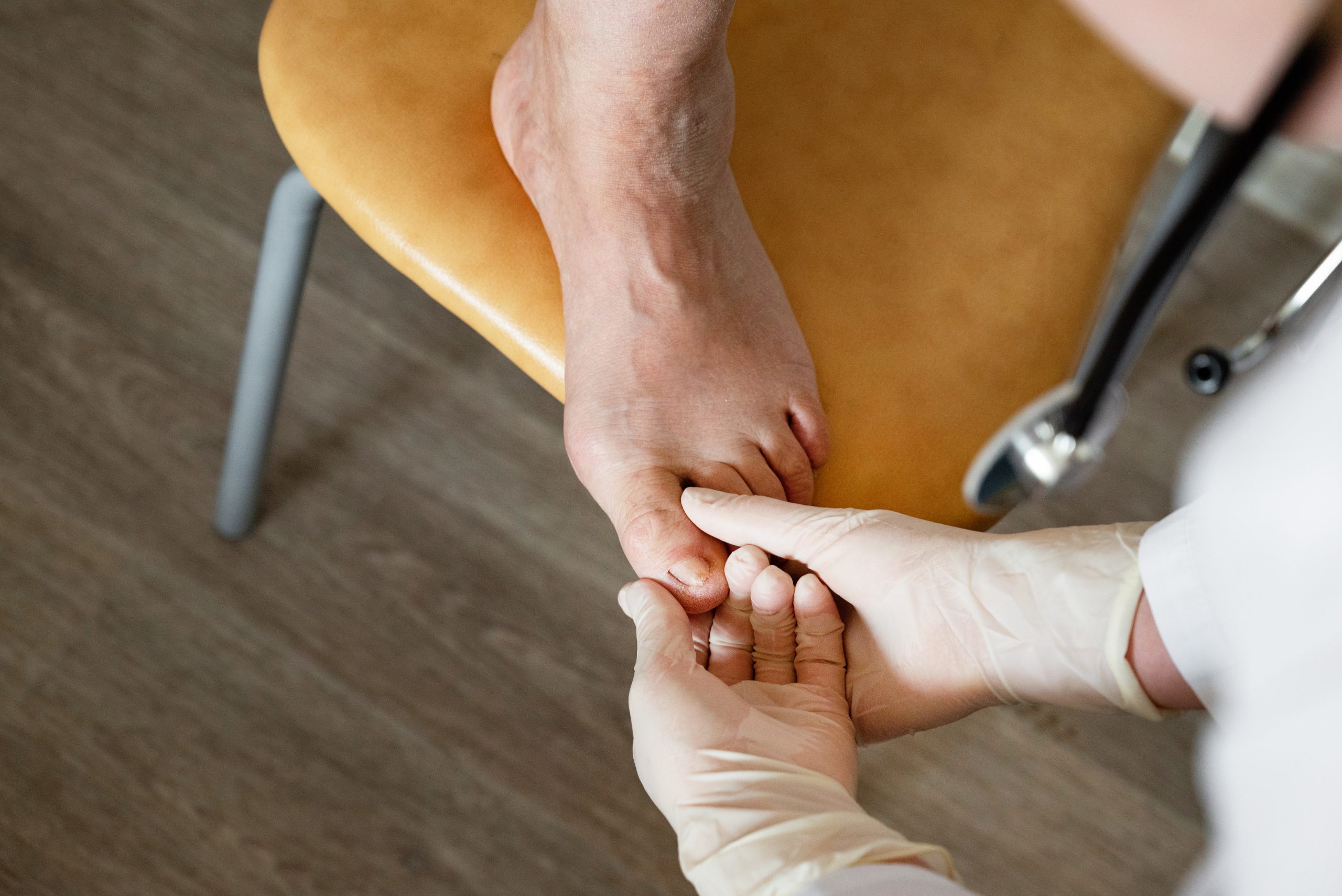
The wart is examined to confirm it is viral and not a corn, callus, or other lesion.
A controlled freeze is applied directly to the wart, typically with a probe, to destroy the virus.
A blister forms over the treated area in the days following the session. This way the viral roots are lifted off the skin (dermis).
Treatment is repeated every 2 to 4 weeks until the reappearance of the skin lines, usually across 3 to 6 sessions.
The area is numbed before any incision is made.
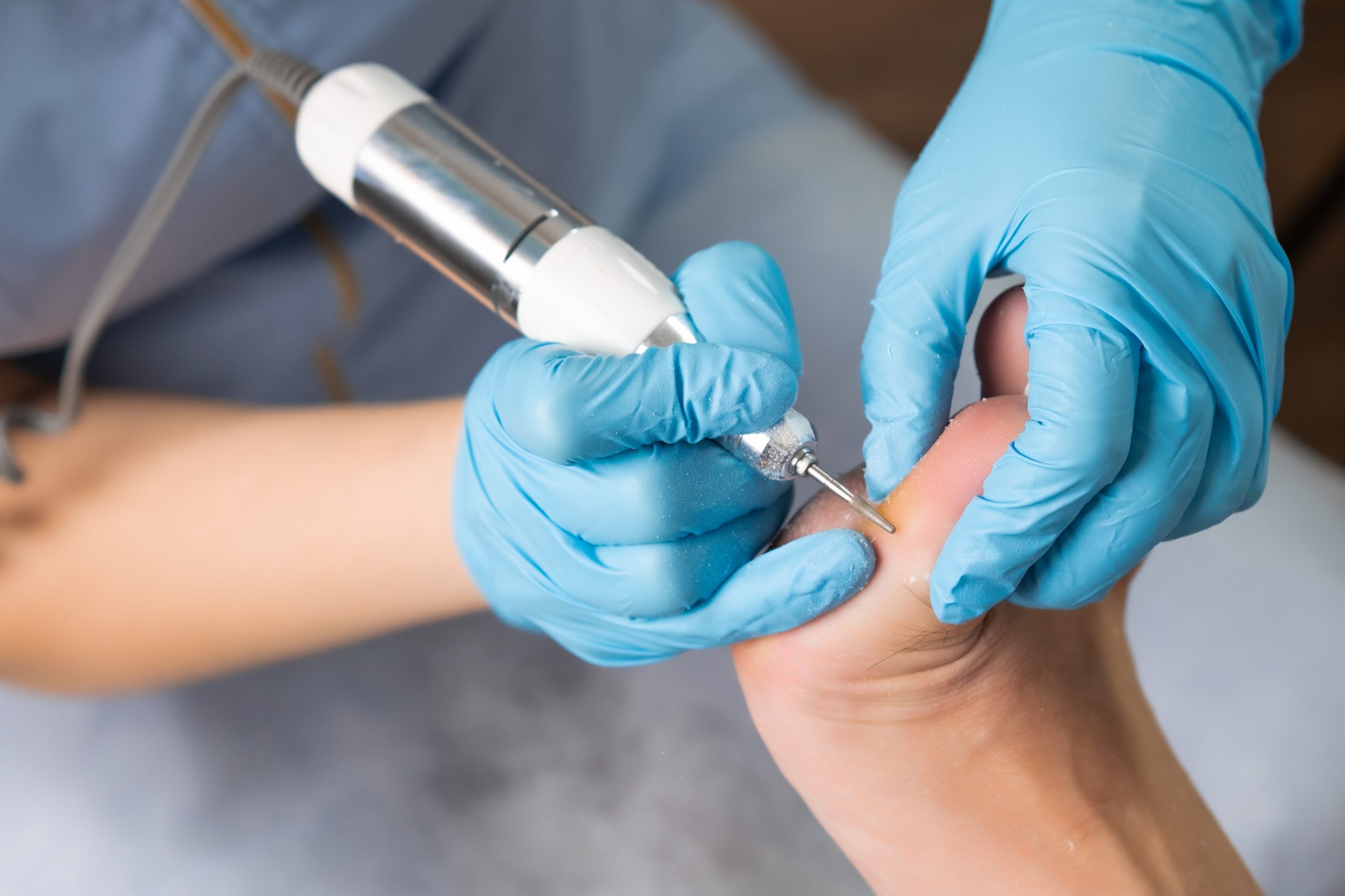
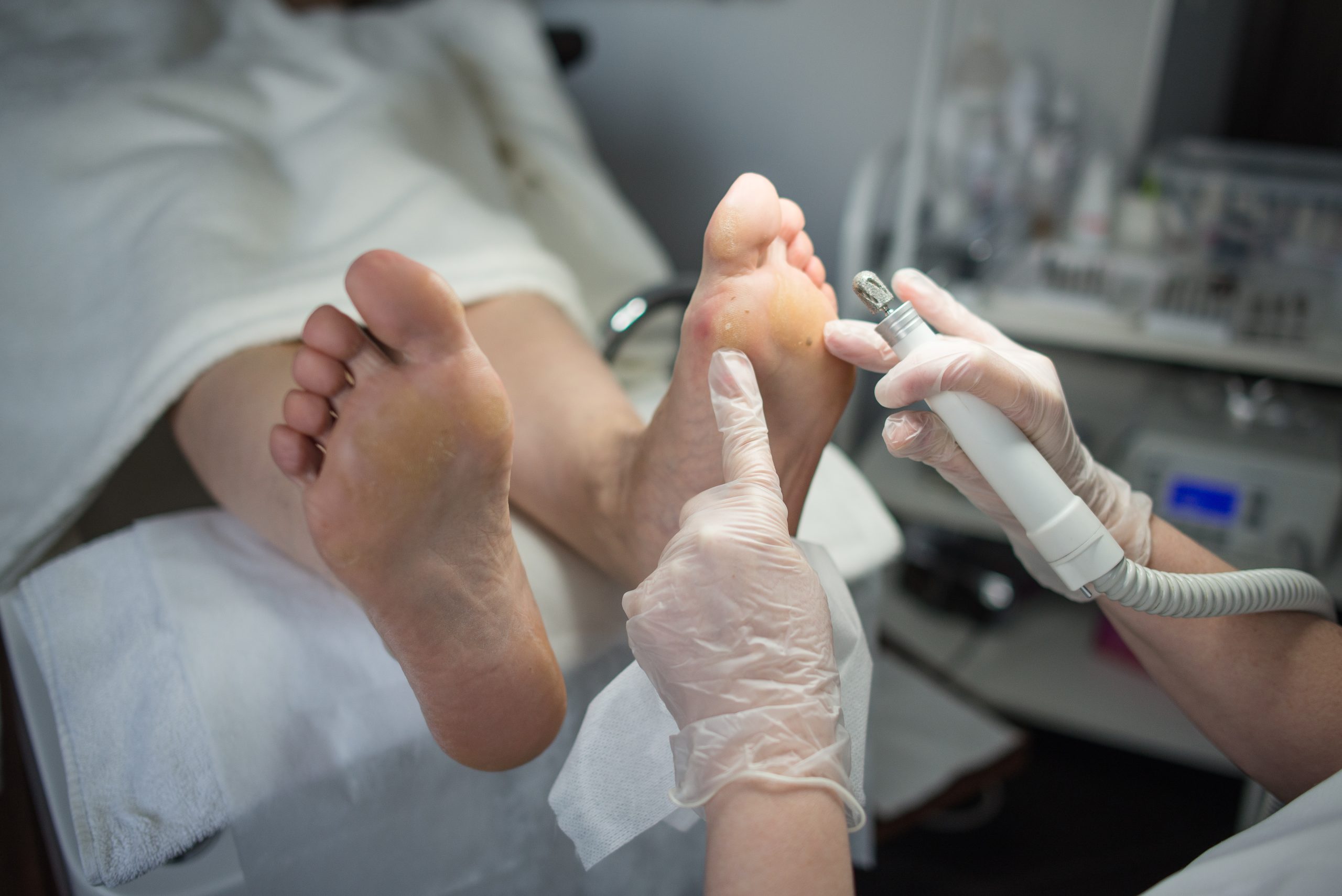
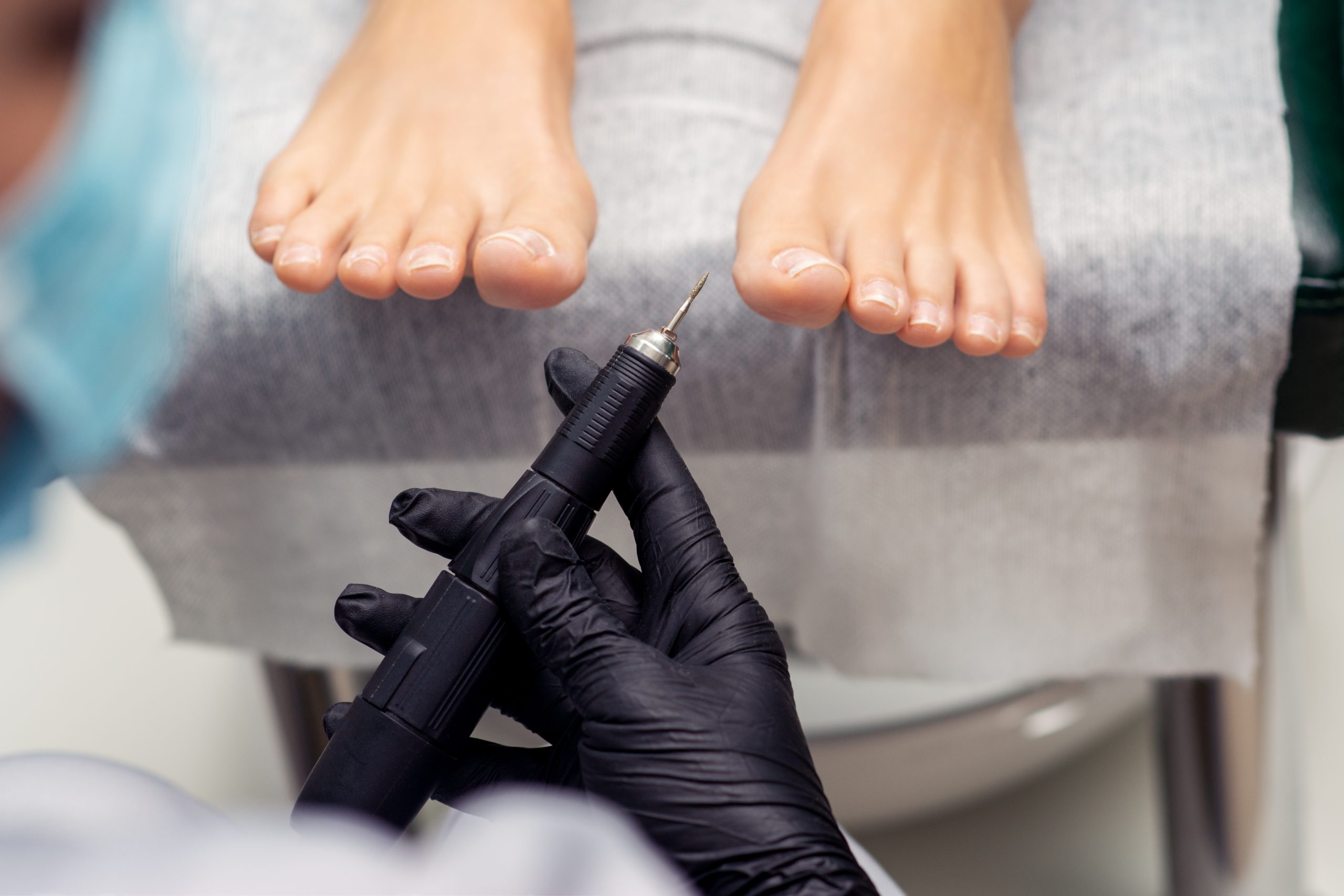
The wart and its base are removed in a single procedure using a sterile technique.
The site is dressed and offloaded with padding.
A follow-up visit checks healing progress and addresses any signs of recurrence.
A Real-World Note on Why This Matters
In a Cochrane systematic review of cutaneous wart treatments (Kwok et al., Cochrane Database of Systematic Reviews 2012), cryotherapy demonstrated higher clearance rates than placebo and was superior to many home treatments, particularly when applied at appropriate intervals. The intervals matter: applying it too soon or too late reduces efficacy, which is one reason in-clinic timing outperforms home kits.
At Emerald Hill Podiatry, both cryotherapy and wart excision are offered under one roof, so the recommendation is matched to your wart and not to the only equipment available. Procedures are performed by a Doctor of Podiatric Medicine, with full sterile technique and aftercare instructions in writing.
Stubborn plantar warts rarely resolve without targeted treatment. Schedule an assessment to find out which procedure will heal yours most effectively.
By appointment only
Need Help? Chat with us