
Fungal Nail Infections
Targeted care for thickened, discoloured, and brittle nails that have not responded to over-the-counter treatments.
Understanding Fungal Nail Infections
Fungal nail infection, known clinically as onychomycosis, is one of the most common nail conditions seen in Singapore. The humid tropical climate, frequent enclosed footwear, and shared spaces such as gyms and pools all create ideal conditions for fungal organisms to colonise the nail plate.
Once established, the infection rarely clears on its own. Topical lacquers struggle to penetrate the thick nail, and home remedies have a high recurrence rate.

Signs and Symptoms
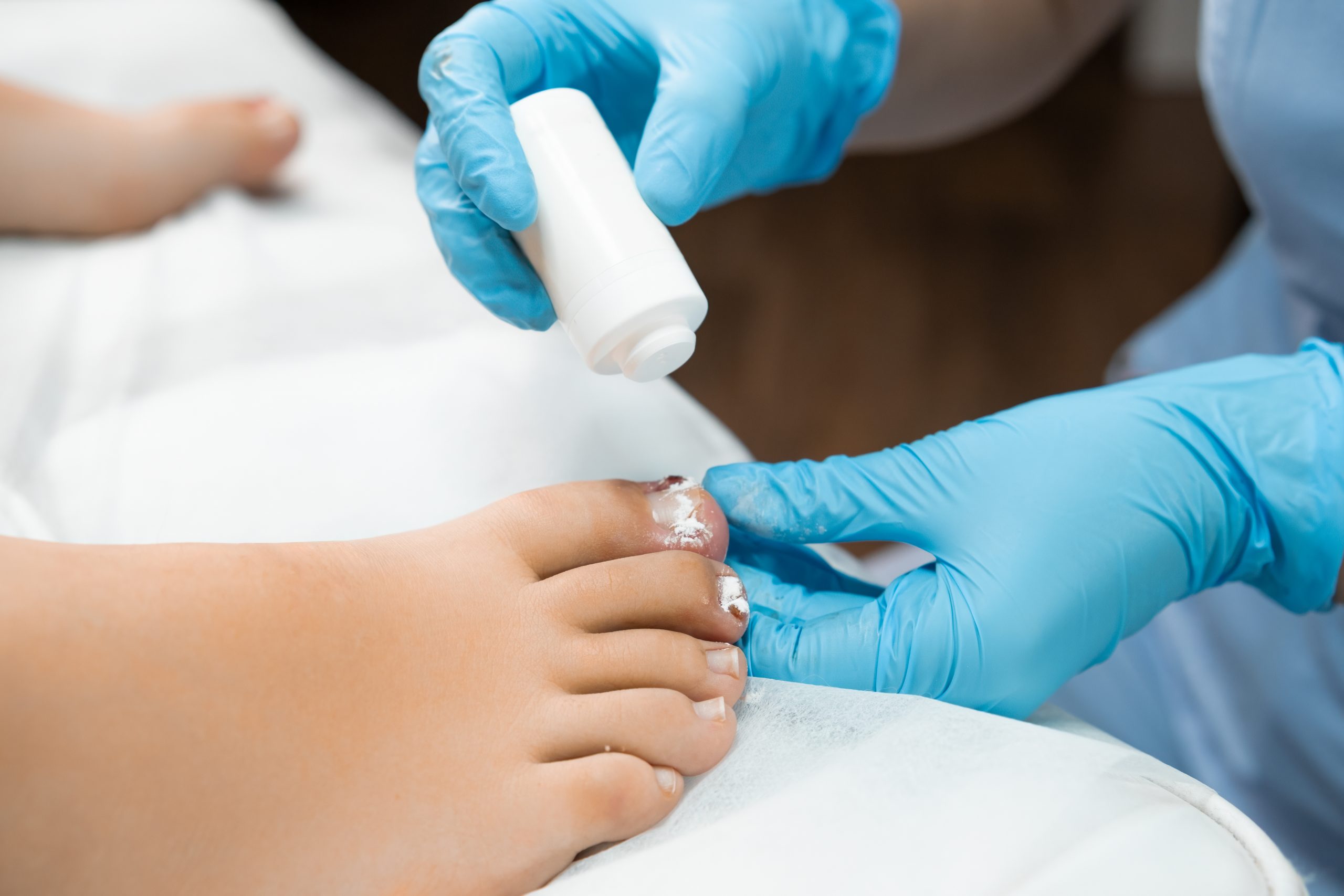
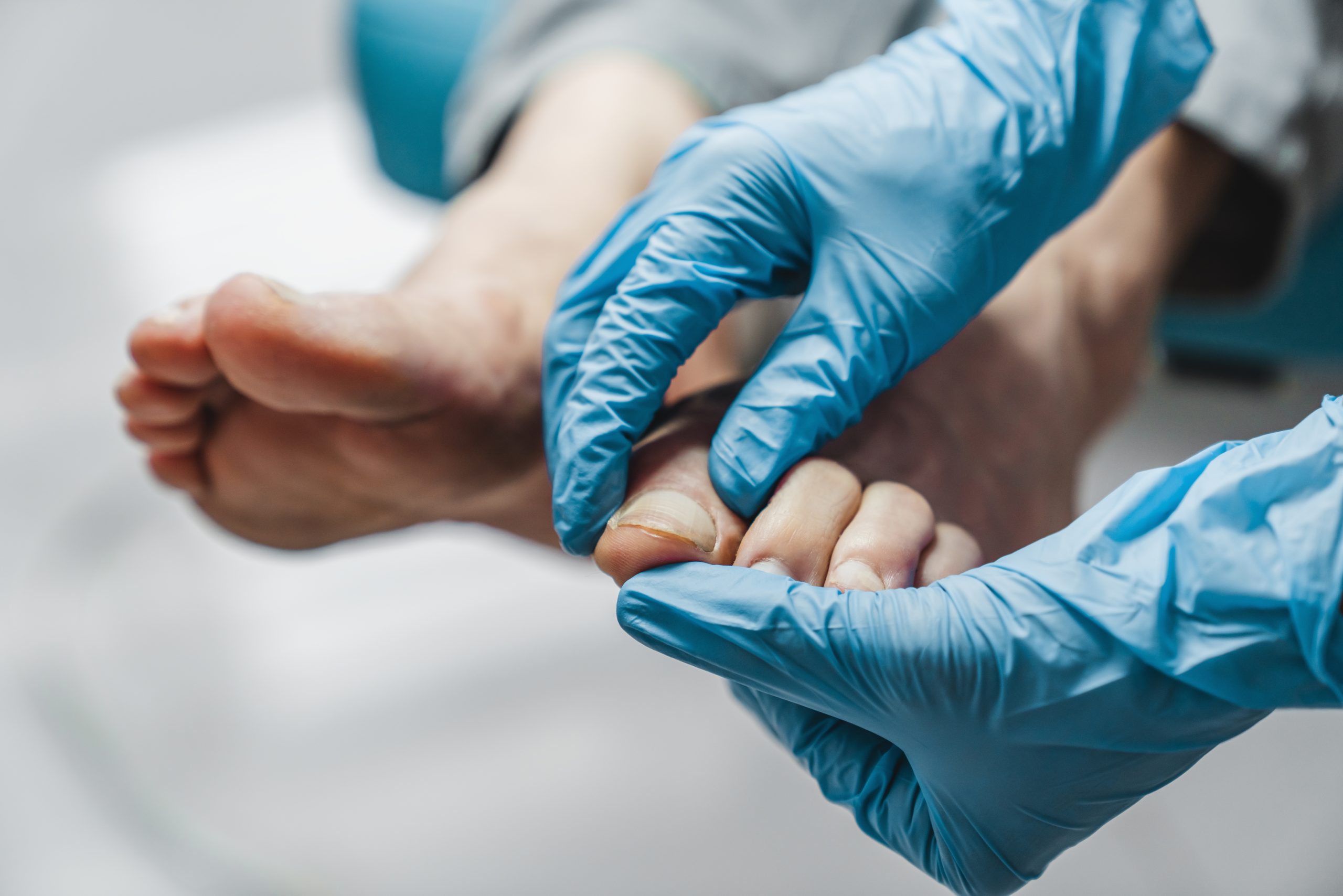
- Thickened nails
Difficult to trim and uncomfortable in shoes
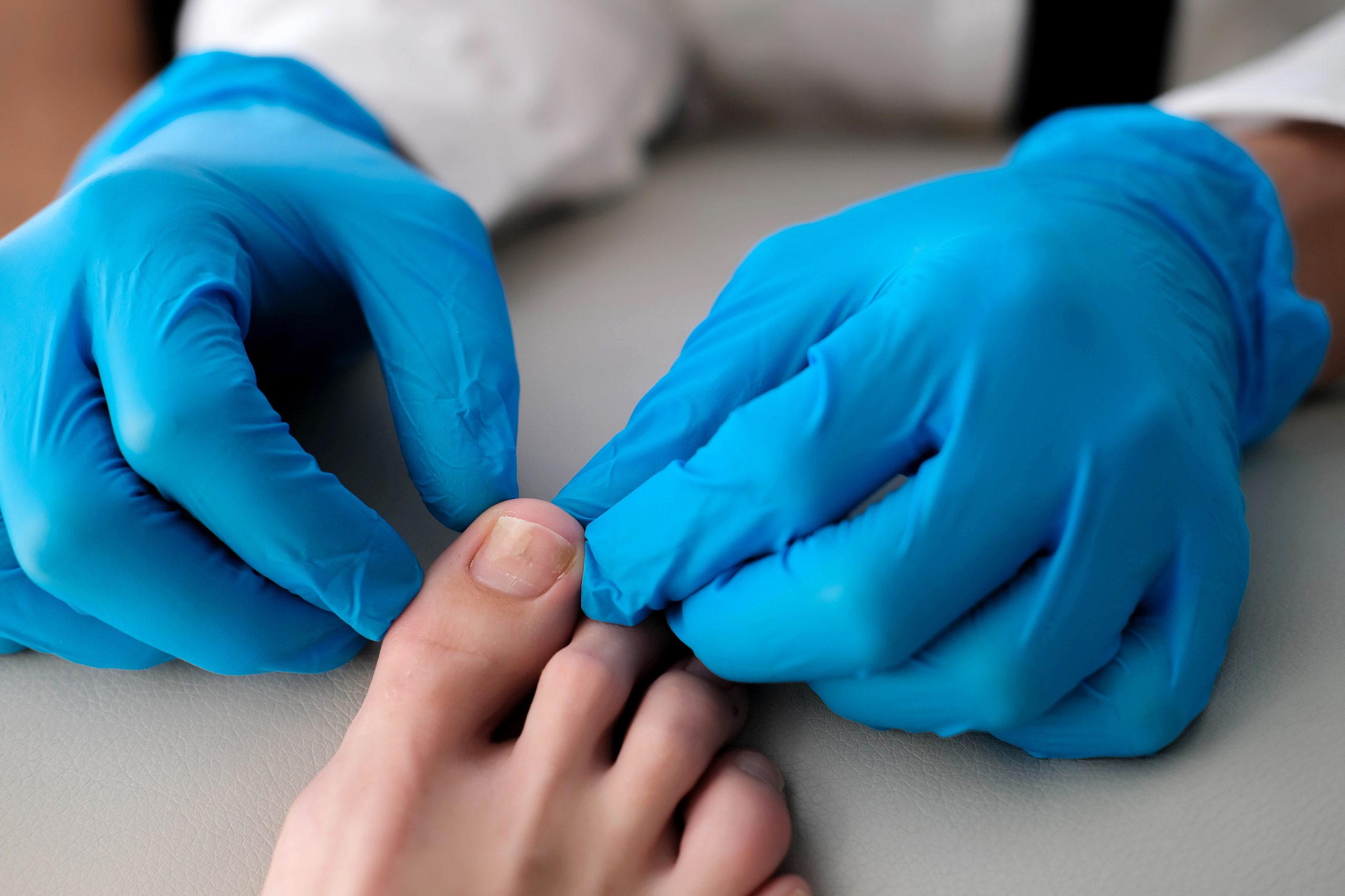
- Discolouration
Yellow, white, brown, or green patches
- Brittle or crumbling texture
Flaking edges and lifting from the nail bed
- Separation from the nail bed
Onycholysis at the tip or sides
- Distorted shape
Uneven growth or warping of the nail plate
- Surrounding skin involvement
Often accompanied by athlete’s foot
Common
Causes
- Prolonged exposure to warm, moist environments
- Walking barefoot in public showers, gyms, and pools
- Sharing nail clippers, files, or footwear
- Untreated athlete's foot spreading to the nails
- Trauma to the nail from sports or ill-fitting shoes
- Compromised circulation or immune function, including diabetes
- Existing peripheral arterial disease
Why Self-Treatment Often Fails
Home remedies and pharmacy antifungal lacquers can reduce surface symptoms, but they rarely clear the infection completely. The fungus lives within and beneath the nail plate, where topical agents cannot easily reach. Without accurate diagnosis, patients may also unknowingly be treating a non-fungal condition such as nail psoriasis or trauma-related thickening.
Diagnosis and Treatment
A podiatrist will examine the affected nails, take scrapings or clippings if needed, and may send samples for fungal culture or microscopy to confirm the diagnosis.
Treatments may include:
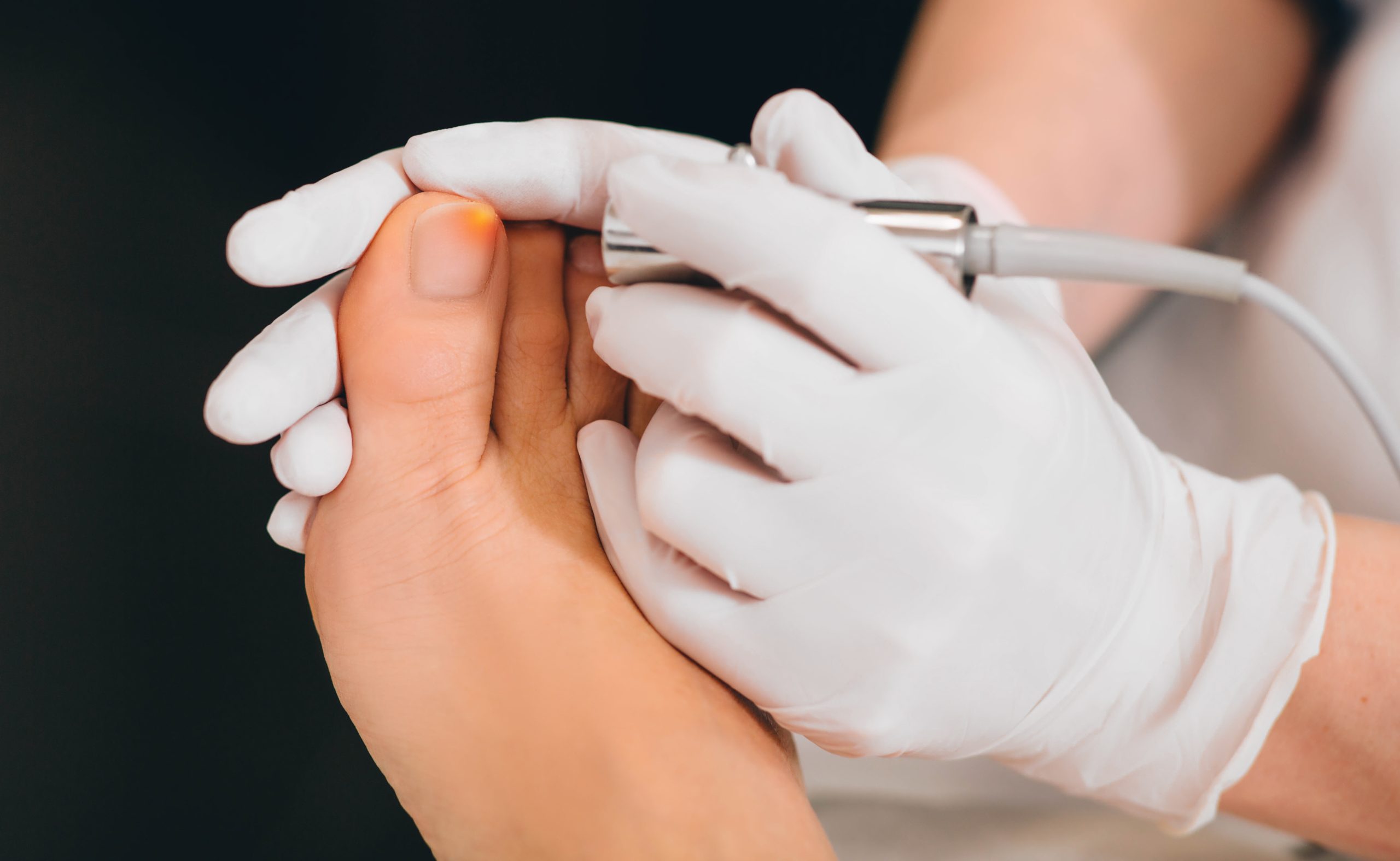
Advanced in-clinic treatment using photosensitising gel and LED light to destroy fungal cells, ideal for patients who cannot take oral antifungals
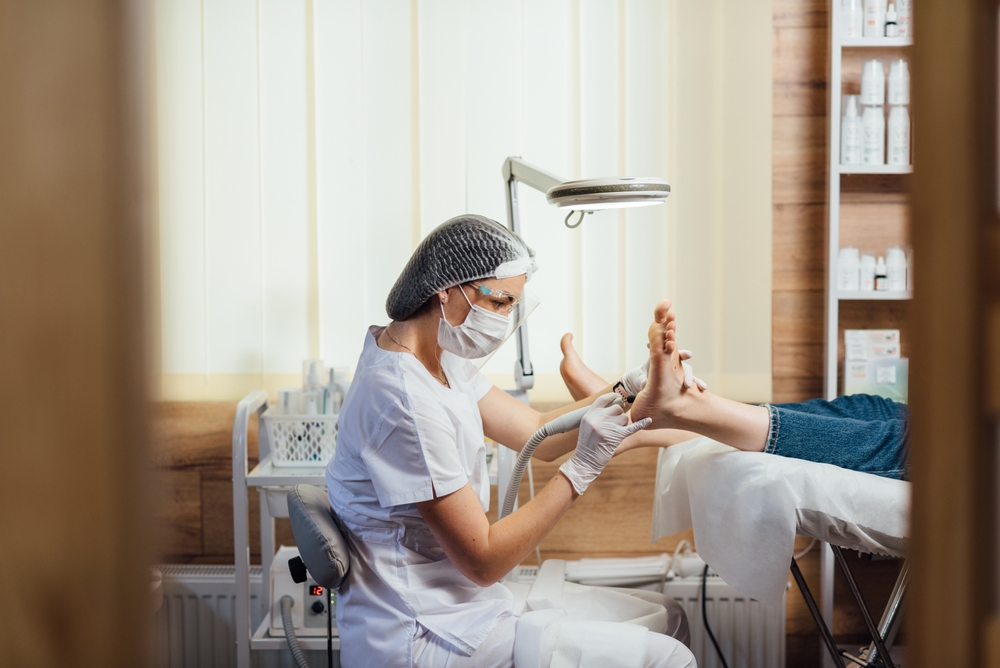
Professional reduction of the thickened nail to relieve pressure and improve treatment penetration
Prescription-strength lacquers or solutions
Coordinated with your GP when appropriate
Addressing the underlying environment that allowed the infection to develop
For the full procedural detail on PACT and other modalities, see our Skin & Nail Treatments page.
Frequently Asked Questions
Most patients see visible improvement within three to six months, in line with the natural growth rate of the toenail.
Recurrence is possible, particularly without addressing footwear, hygiene, and any underlying athlete’s foot. We provide a written prevention plan with every treatment course.
No. PACT is painless and requires no anaesthesia or downtime.
We generally recommend avoiding polish during active treatment so the nail can be monitored.
Why Choose Emerald Hill Podiatry
At Emerald Hill Podiatry, fungal nail care is led by a Doctor of Podiatric Medicine, with access to advanced in-clinic technology including PACT photodynamic therapy. This is particularly valuable for elderly, diabetic, and immunocompromised patients who cannot safely take oral antifungal medication.
Book Your Fungal Nail Consultation
Fungal nails rarely clear without professional care. Schedule an assessment to confirm the diagnosis and find out which treatment will give you the highest chance of clearance.
Our Clinic
- Palais Renaissance 390 Orchard Rd, #10-03 Singapore 238871
- +65 8044 9825
- [email protected]
By appointment only