


Flat Feet
Specialist care for collapsed arches, from flexible paediatric flat foot to adult-acquired flat foot deformity.
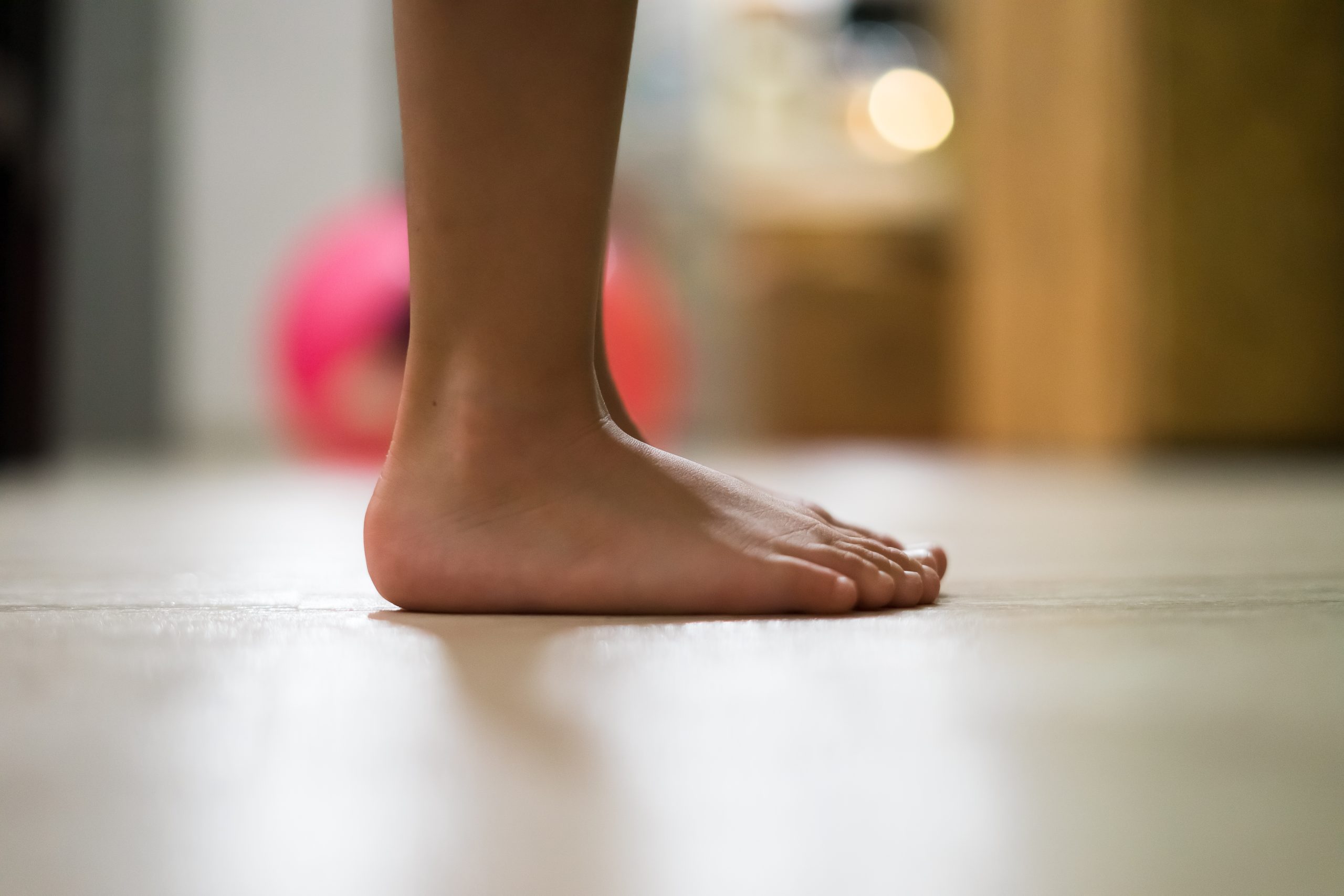
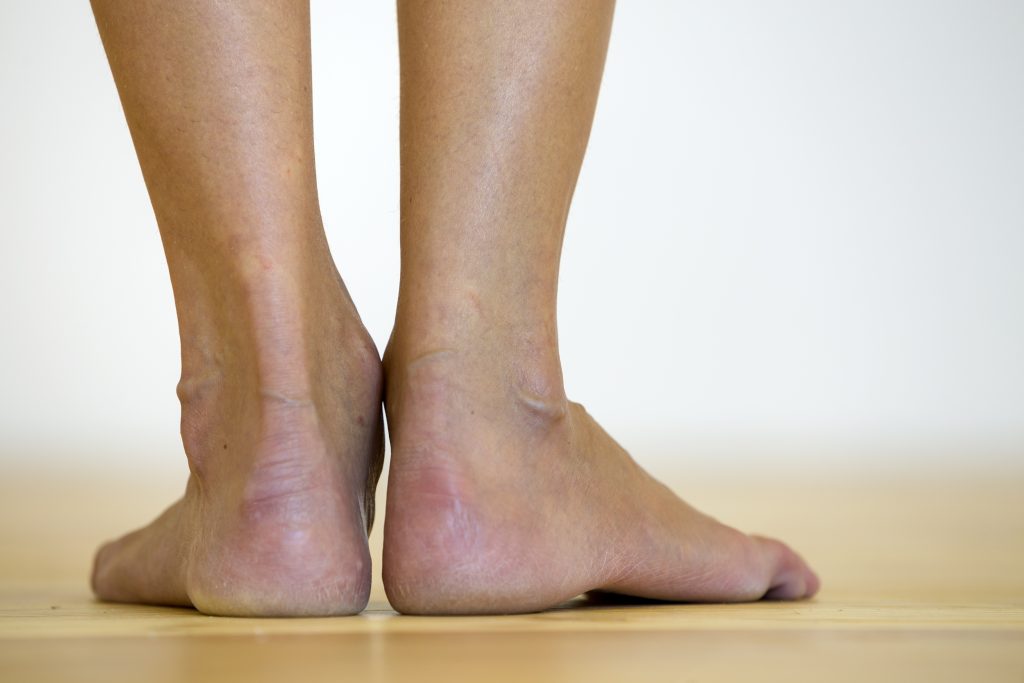
Flat feet, or pes planus, occur when the arch of the foot is lower than typical or absent altogether. The condition affects both children and adults, but the clinical significance is very different across age groups.
In children, flexible flat feet are often part of normal development and may resolve as the foot matures. In adults, the appearance of a new flat foot can indicate a more serious progressive condition such as posterior tibial tendon dysfunction (PTTD).
For paediatric in-toeing, out-toeing, and knock knees, see our Childhood Gait Issues page.
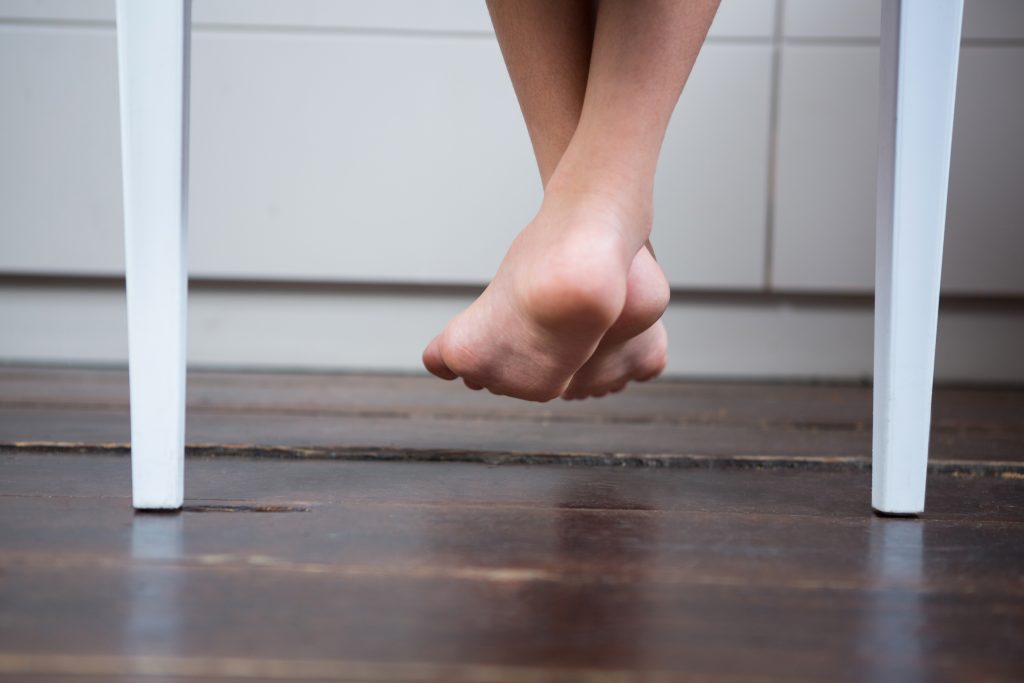
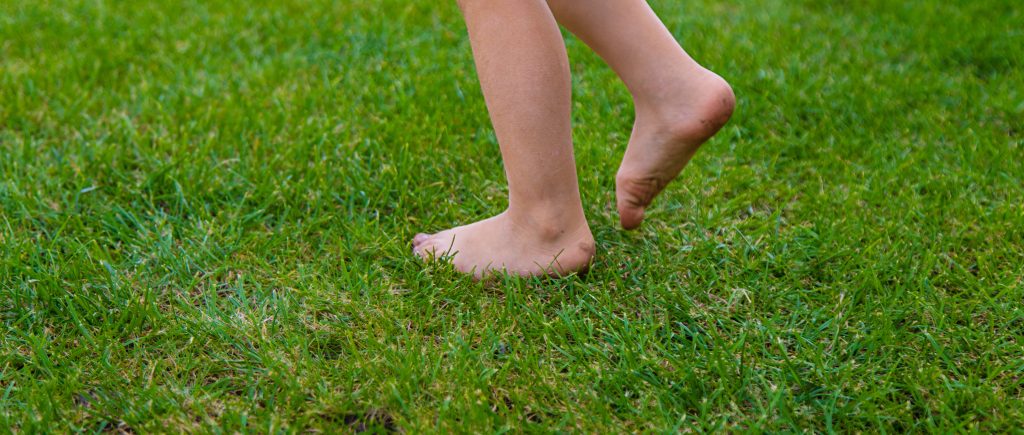
Arch appears when sitting or on tiptoes; common in children
Arch remains flat even when non-weight-bearing; warrants thorough assessment
Progressive arch collapse in adulthood, often painful
Structural collapse after injury or fracture
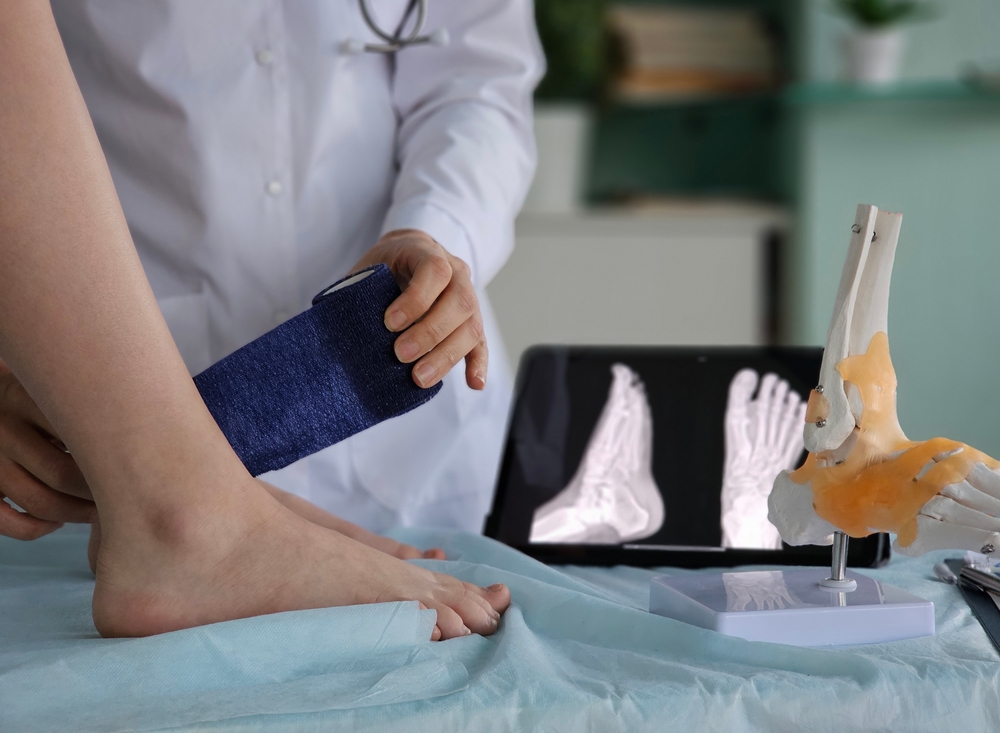
A podiatrist will assess foot structure, joint flexibility, muscle strength, and walking pattern through a Biomechanical Assessment & Gait Analysis.
Treatments may include:
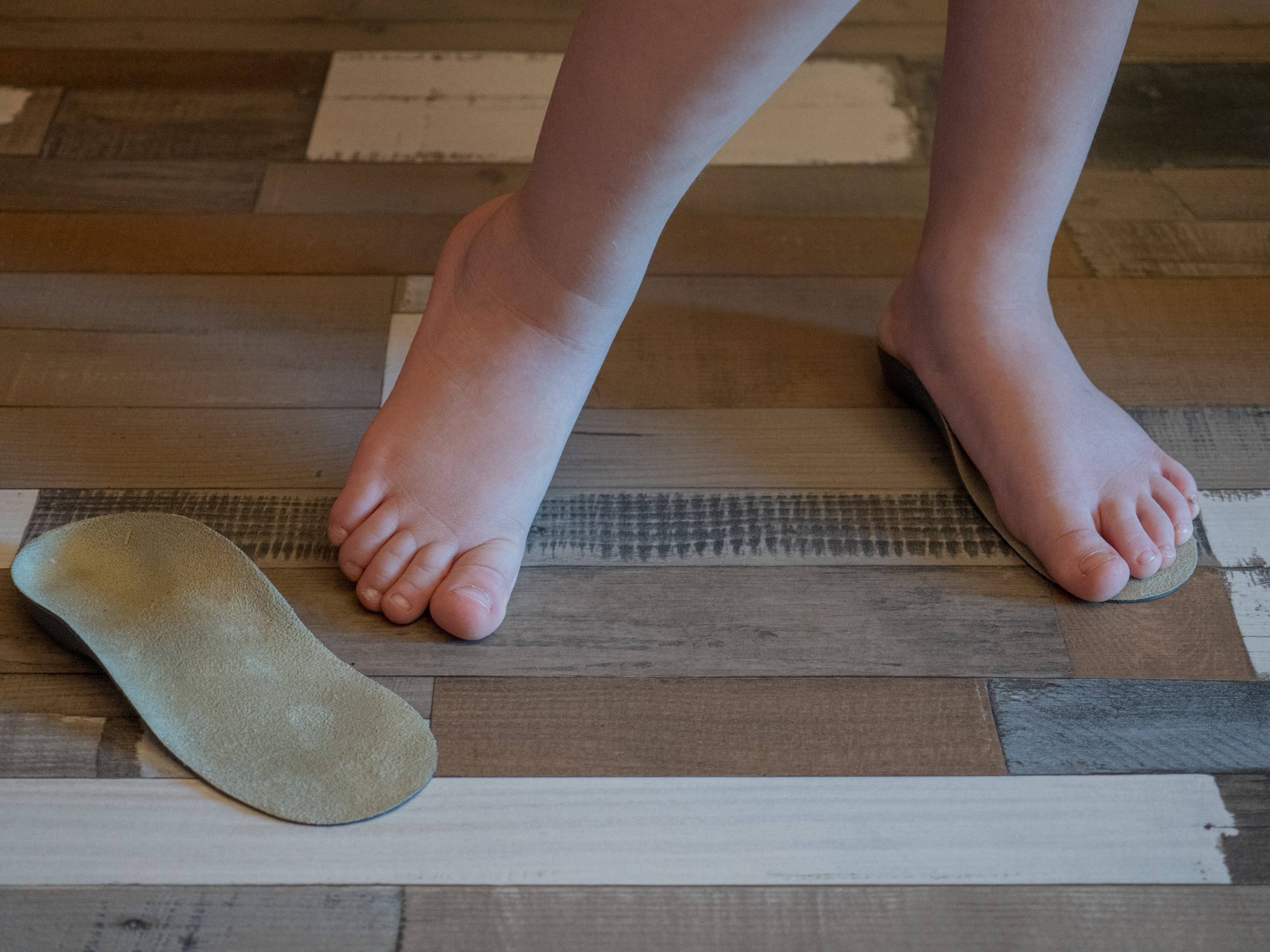
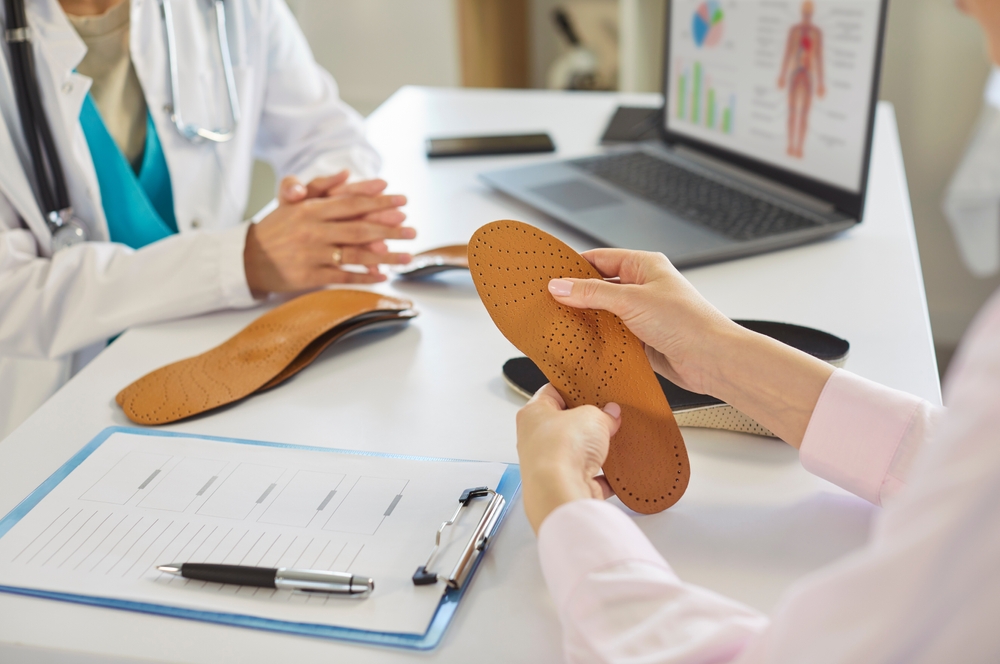
To support the arch and redistribute pressure
For advanced adult-acquired flat foot or PTTD, see our AFO page
With structured support and motion control
For the tibialis posterior, calf, and intrinsic foot muscles
To address compensations elsewhere in the kinetic chain
For severe, painful, or rigid deformity unresponsive to conservative care
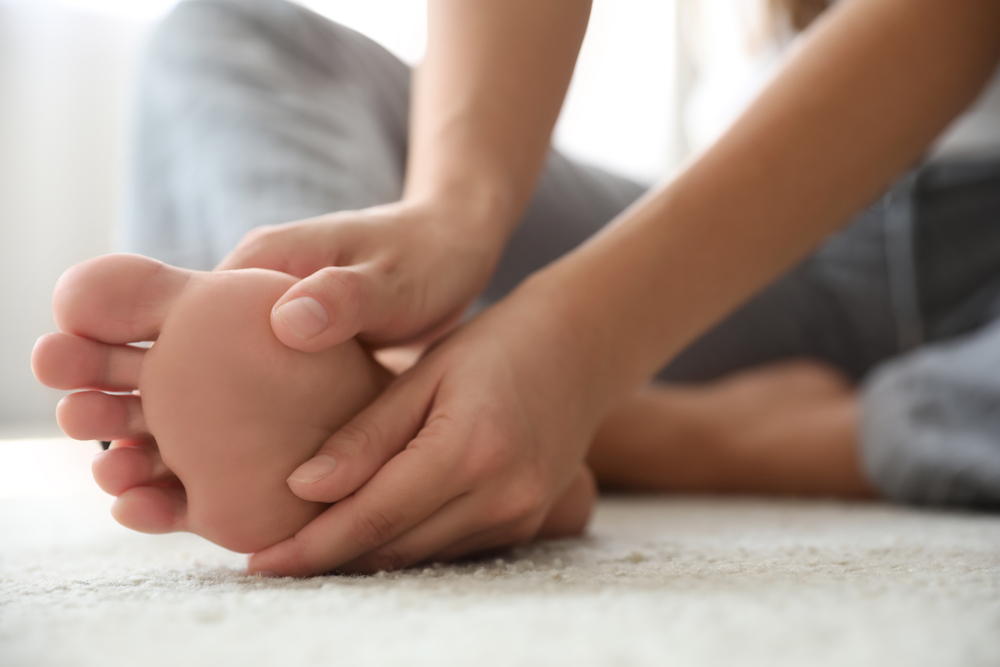
No. Many people with flat feet experience no pain or functional limitation. Treatment is recommended when there is pain, fatigue, or visible deformity progression.
Many children with flexible flat feet do, particularly between ages 6 and 10. Persistent painful or rigid flat feet should be assessed.
Established adult flat foot is rarely reversible, but progression can be slowed and symptoms managed with appropriate orthotic and footwear strategies.
Surgery is reserved for severe, painful, or rigid deformity that has not responded to conservative care.
Flat foot assessment at Emerald Hill is led by Singapore’s only surgically trained podiatrist. This matters because adult-acquired flat foot can progress quickly, and recognising when conservative care is no longer enough is a clinical judgement that requires surgical perspective.
Whether you are concerned about your child’s developing feet or noticing a new collapse in your own arches, early assessment makes treatment more effective. Schedule a consultation to find out where you stand.
By appointment only
Need Help? Chat with us